

Building the perfect workstation for Data Science
Data science has become one of the most demanding fields for computing power, with workloads ranging from cleaning and analysing large datasets to building and training machine learning and deep learning models. Whether you’re crunching structured data in Pandas, training neural networks in TensorFlow or PyTorch, or running heavy statistical simulations in R or MATLAB, your workstation should empower your research and productivity, not hold it back with slow runtimes or system instability.
Choosing the right hardware is crucial for ensuring that your data science workstation can handle everything from exploratory analysis to production-ready AI models. While minimum requirements for running these tools are relatively modest, the reality is that you’ll want a machine carefully balanced to meet the demands of your specific workflows.
Key hardware considerations for Data Science
Processor (CPU)
For most data science tasks, the CPU is still the heart of the workstation. Data preprocessing, statistical modelling, and a large portion of machine learning pipelines remain CPU-bound, particularly when working with large datasets.
A higher core count can be very beneficial for data science workloads, but keep in mind that single-core speed also matters, especially for tasks that cannot easily be parallelised.
Best CPUs for Adobe Photoshop

AMD Ryzen 9 7950X
With 16 cores and excellent single-core performance, this processor strikes a strong balance between raw speed and parallel processing, ideal for a broad range of data workflows.
Intel Core i7-14700K
Intel’s high core count and strong clock speeds make this an excellent choice for mixed workloads, from data manipulation to model training and software development.

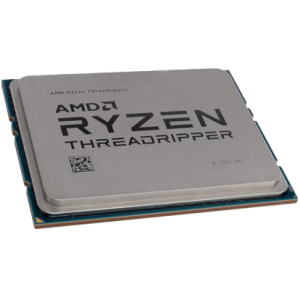
AMD Threadripper 7975WX
For users handling extremely large datasets or running many concurrent jobs, Threadripper’s massive core counts and memory bandwidth give a serious advantage.
How many cores do I need?
For most data scientists, a modern 12–16 core CPU is more than sufficient. If you’re training very large models or running multiple workloads in parallel, higher core counts (24+) can speed things up significantly, but these chips come at a premium and may only be necessary in enterprise-level use cases.
Graphics card (GPU)
While traditional data analysis relies heavily on CPUs, machine learning and AI workflows increasingly depend on GPUs. A powerful GPU can reduce model training times from days to hours.
If your work involves deep learning, the GPU is likely the most important investment you’ll make. For general-purpose data science that doesn’t involve neural networks, a mid-range GPU will suffice.
-
NVIDIA RTX 5090 – Ideal for deep learning and large model training with massive VRAM (32GB).
-
NVIDIA RTX 5080 / 5070 Ti – Strong performance at lower cost for data professionals working with medium-sized models.
-
NVIDIA RTX A6000 / A5000 (Workstation GPUs) – Designed for stability and certified drivers in professional environments.
How much VRAM do I need?
-
Entry-level deep learning: 12GB VRAM minimum.
-
Larger neural networks (transformers, vision models): 24GB+ VRAM.
-
Traditional data science: 8–12GB is usually plenty.
Memory (RAM)
RAM is one of the most critical considerations for data science. Datasets can be massive, and insufficient RAM will cause your system to slow down dramatically as it begins using swap space.
We recommend:
-
Minimum: 32GB RAM (for small to medium datasets).
-
Recommended: 64GB RAM (for most professional workloads).
-
High-end: 128GB+ RAM (for very large datasets or multiple concurrent jobs).
If you frequently work with terabyte-scale datasets, you may also need to consider a distributed or cluster-based solution, as no single workstation can handle such loads efficiently.
Storage (HDD/SSD/NVME)
Storage performance directly impacts your data loading and processing speed. With modern datasets often in the hundreds of gigabytes, a fast, high-capacity setup is key.
We recommend a multi-drive configuration:
-
Primary Drive (OS + software): NVMe SSD, at least 1TB.
-
Secondary Drive (datasets): High-capacity NVMe or SATA SSD (2TB–8TB depending on dataset size).
-
Tertiary Drive (backup/archive): Large HDD or network-attached storage (NAS).
For serious data professionals, consider RAID setups or dedicated backup strategies to prevent data loss.
RECOMMENDED DATA SCIENCE WORKSTATIONS

SKU: 5060959094401
£6,935.00 (inc VAT)
- Phanteks NV7 Full Tower — White
- Intel Core Ultra 9 285K — 24 Core / 5.7GHz
- Gigabyte Z890 AORUS Elite WiFi7 ICE
- Gigabyte AORUS RTX 5090 MASTER ICE 32GB
- 64GB Kingston Fury Beast DDR5 6000MHz CL30
- 4TB Crucial T700 PCIe 5.0 NVMe SSD
- Phanteks Glacier One 360 D30 X2 AIO — White
- Lian Li SX Platinum 1200W Modular PSU — White
- 9 x Phanteks D30 D-RGB Fans — Unified Ecosystem
- Wi-Fi 7 & Bluetooth 5.4 Built-in
- 7.1 HD Audio Built-in
- Microsoft Windows 11 Home
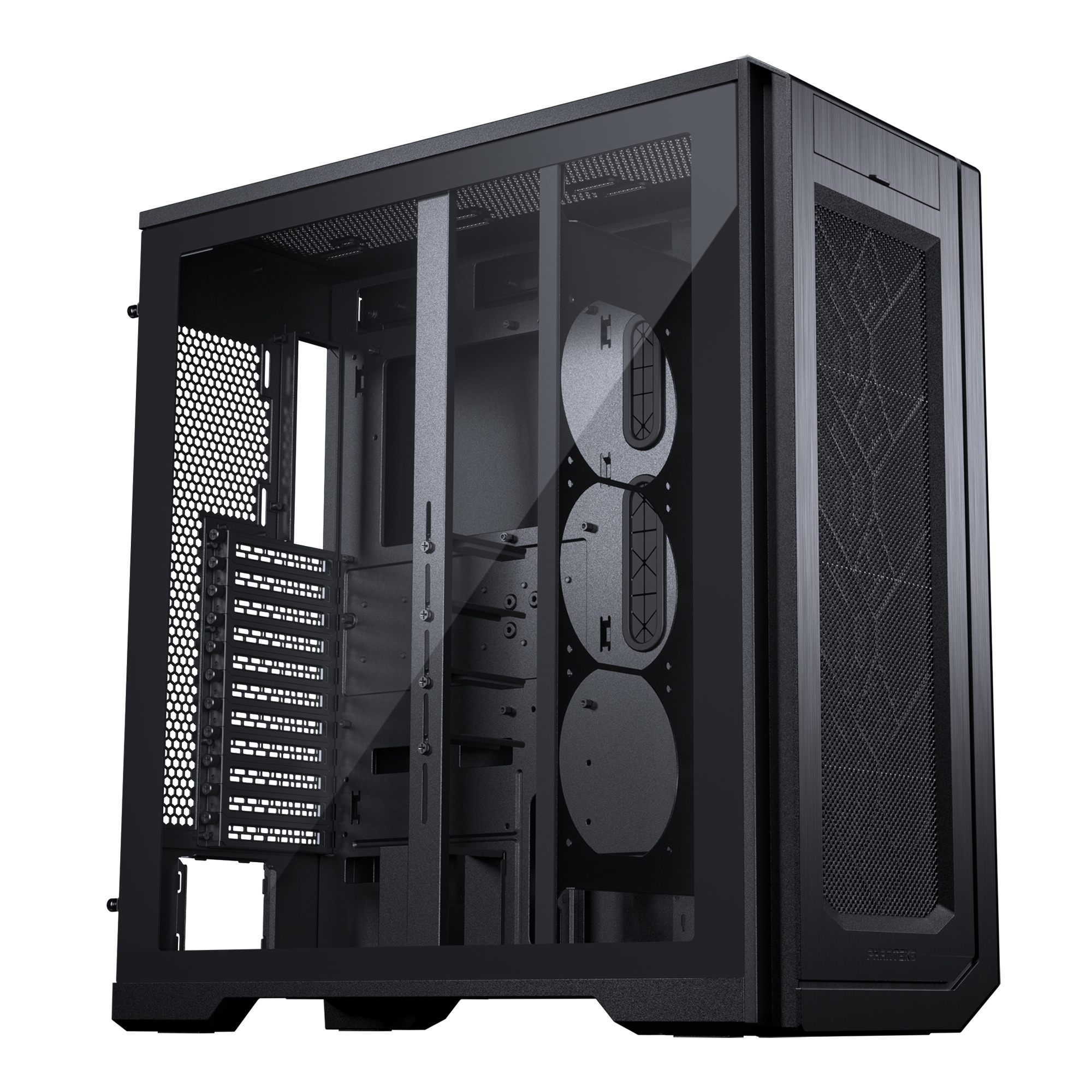
SKU: 5060506947198
£8,879.00 (inc VAT)
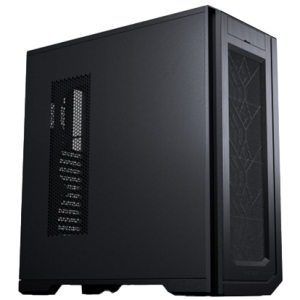
- Phanteks ENTHOO PRO 2 Black Case
- AMD Ryzen Threadripper Pro 5995WX CPU 64 Core 128 Thread 2.7/4.5GHz
- Asus PRO WS WRX80E-SAGE SE WIFI Workstation Motherboard
- NVidia GeForce RTX 5080 16GB GDDR7 GPU
- 64GB DDR4 3200MHz RDIMM (4x16GB)
- 1TB NVMe M.2 SSD (up to 6000MB/R, 4000MB/W)
- 2TB Seagate BarraCuda 3.5″ Hard Drive
- be quiet! Silent Loop 3 420mm All-in-one liquid cooler
- Contour 850W ATX 3.1 High Efficiency PSU
- Built in Wi-Fi and Bluetooth
- Built in 5.1 Sound Card
- Microsoft Windows® 11 Professional
- 4 x Be Quiet! Silent Wings 4 PWM – Black 140mm Case Fans
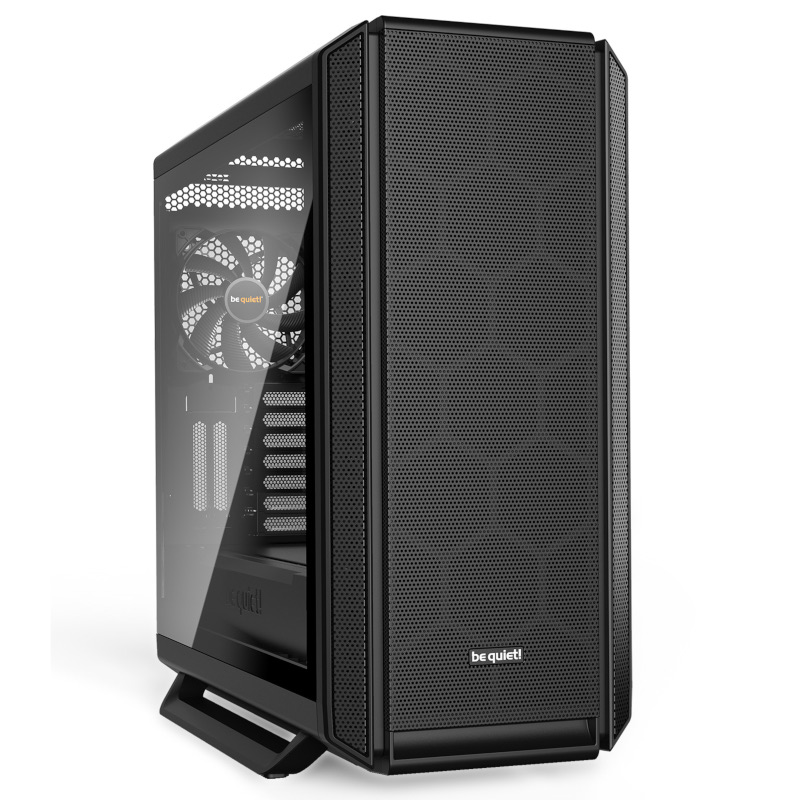
SKU: 5060959092520
£16,278.00 (inc VAT)
- Be Quiet! Silent Base 802 Window Black
- AMD Ryzen Threadripper 7980X CPU 64 Core 128 Thread 3.2/5.1GHz
- ASUS Pro WS TRX50-SAGE WIFI Motherboard
- NVidia RTX A400 4GB Workstation GPU
- 256GB DDR5 RDIMM 5600MHz CL46 (4x64GB)
- 2TB NVMe M.2 SSD (up to 5000MB/R, 4200MB/W)
- be quiet! Silent Loop 3 420mm All-in-one liquid cooler
- Contour 1000W ATX 3.1 Full Modular High Efficiency PSU
- Built in Wi-Fi and Bluetooth
- Built in 5.1 Sound Card
- 5 Port USB 3.0 PCIe Card with Dual Internal Header Port
- Microsoft Windows® 11 Professional
- 3 x Be Quiet! Silent Wings 4 PWM – Black 140mm Case Fans
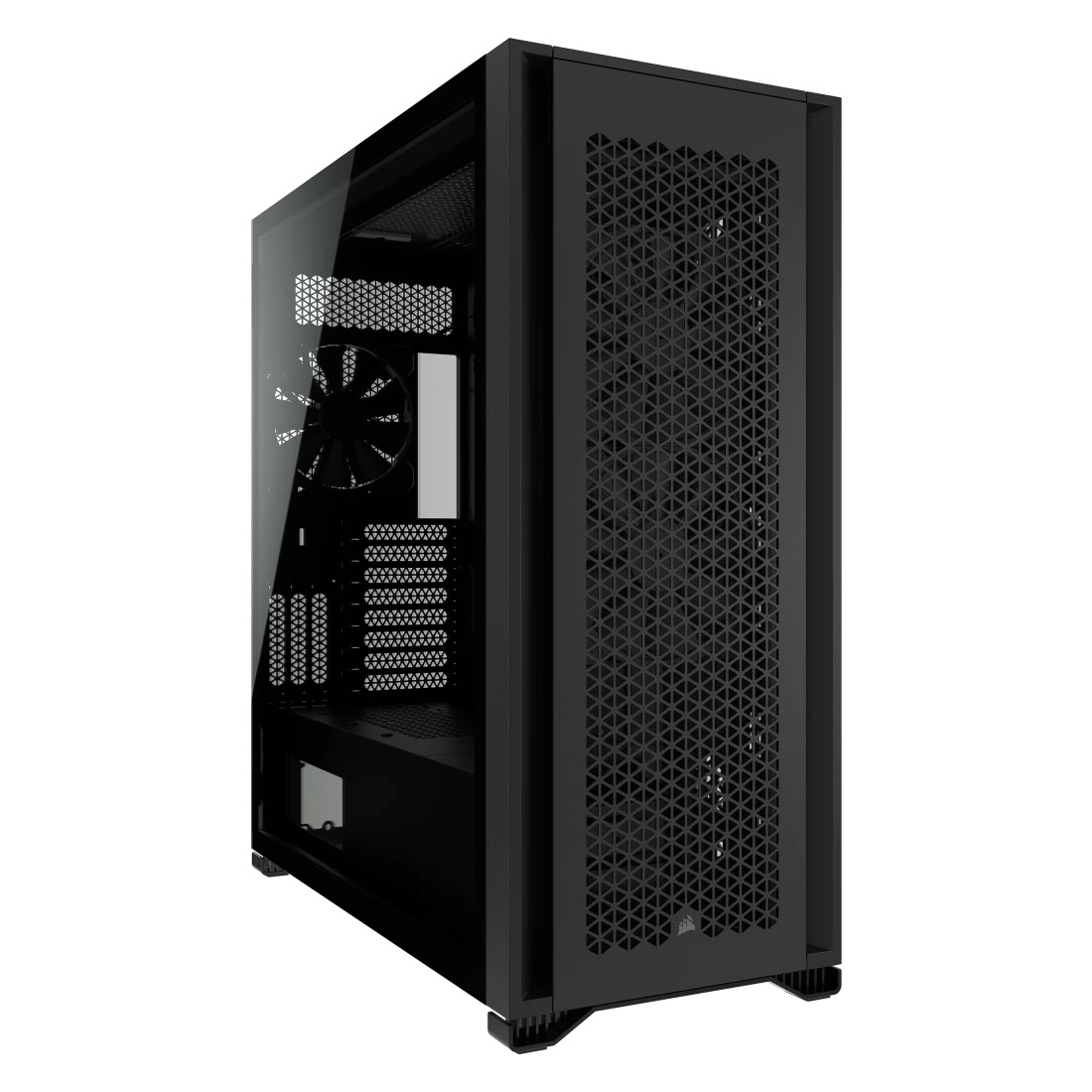
SKU: 5060506949994
£5,517.00 (inc VAT)
- Corsair 7000D Airflow Black Case
- AMD Ryzen Threadripper Pro 5975WX CPU 32 Core 64 Thread 3.6/4.5GHz
- Asus PRO WS WRX80E-SAGE SE WIFI Workstation Motherboard
- NVidia GeForce RTX 5050 8GB GDDR6 GPU
- 64GB DDR4 3200MHz RDIMM Memory (4x16GB)
- 1TB NVMe M.2 SSD (up to 6000MB/R, 4000MB/W)
- be quiet! Silent Loop 3 420mm All-in-one liquid cooler
- Contour 1000W ATX 3.1 Full Modular High Efficiency PSU
- Built in Wi-Fi and Bluetooth
- Built in 5.1 Sound Card
- Microsoft Windows® 11 Professional
Explore our AI and HPC solutions:
Punch Technology Ltd
Meyer Building
Wirral International Business Park
Bromborough
Wirral
CH62 3RH
Technical Support Number: 0151 3179860
Head Office Number: 0151 3179860
Company Number: 10250445
VAT Number: 245 0802 29
Trade Mark: UK00003257797
FCA Number is 809833.